It's one of the most common questions homeschool families hear.
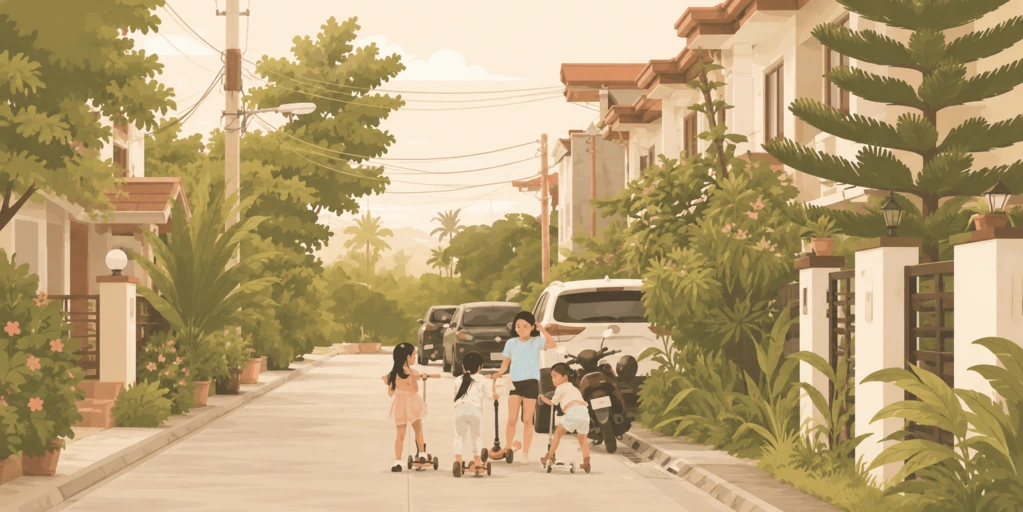
Lately, my daughter has been spending her afternoons outside with our neighbor friends — riding scooters, racing down the street, laughing, and simply being children.
The messy, beautiful middle
But something else beautiful has been happening too. There are little disagreements. Moments of competition. Tiny arguments over turns or who gets there first. And then… a few minutes later, they're laughing again. Friendships restored.
Learning to step back
As a mom, I've been learning to step back and let her navigate these moments — to talk, to compromise, to feel disappointed, and to make friends again. These small interactions are shaping her far more than I realized.
I'll admit, with my older child I used to shield and step in quickly. I wanted everything to be smooth and peaceful. But this time, I'm allowing space for real-life lessons. And that's where true socialization happens.
Where socialization really happens
Social development doesn't only happen in classrooms. It happens in neighborhoods, in shared play, in everyday relationships.
Children grow socially through meaningful relationships, not just by being surrounded by peers for hours.
In the spirit of Charlotte Mason educators like Stephanie Walmsley
They're not missing out
Watching my daughter lately has reassured me of something simple but profound: homeschool children are not missing out on socialization. They're experiencing real life.
They're learning:
- how to resolve conflict
- how to take turns
- how to forgive
- how to keep a friendship
Sometimes socialization looks like this
A quiet neighborhood street. Scooters rolling down the pavement. Children laughing in the afternoon sun. And friendships growing, one small moment at a time.